
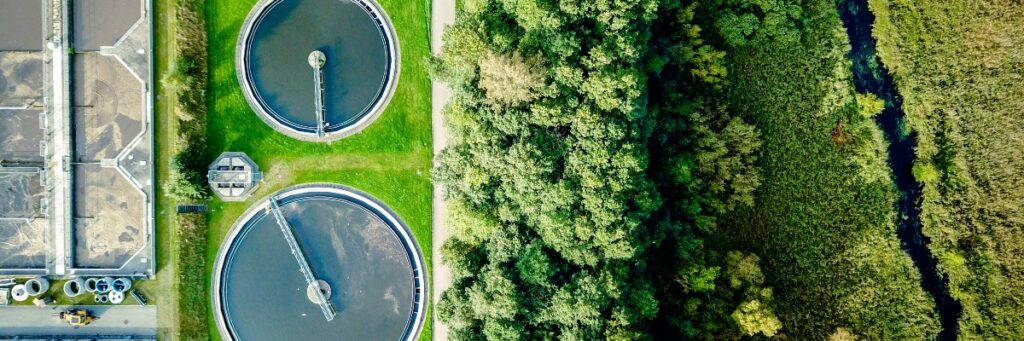
One widely used variation of the activated sludge process is the Sequencing Batch Reactor (SBR). In this blog, we explain how the SBR wastewater treatment process works and examine both the advantages and limitations of an SBR system.
There are several types of wastewater treatment plant designs. Activated sludge systems are commonly used because they are capable of treating wastewater within a relatively short timeframe. Among the different activated sludge configurations, the Sequencing Batch Reactor (SBR) is one of the most popular options.
The basic design of an SBR wastewater treatment system consists of a single tank that performs both biological treatment and clarification. The treatment cycle includes the following steps:
- Filling the tank
- Reacting (aerating the mixed liquor, which includes incoming wastewater and biological sludge from the previous cycle)
- Settling
- Decanting the treated water from the biological sludge (with a portion of sludge wasted during this phase to maintain proper biomass concentration)
This four-stage cycle can be repeated multiple times each day. During the react phase, aeration may be switched on and off to promote nitrification and denitrification for effective nitrogen removal.
Now that we understand the working principle of an SBR wastewater system, let’s review its advantages.
Advantages of SBR Wastewater Systems
SBR systems typically require less space and piping compared to traditional setups that use separate aeration tanks and clarifiers.
Another key benefit is their ability to create both aerobic and anoxic conditions within the same tank. This enables processes such as organic carbon removal, biological phosphorus removal, nitrification, and denitrification to occur in a single reactor.
SBR systems can also manage influent containing suspended solids and, in many cases, operate without the need for a primary clarifier before the SBR tank.
However, despite these benefits, SBR systems also present certain challenges that must be carefully considered.
Disadvantages of SBR Wastewater Systems
May Require Two Tanks
Since SBR systems operate in batch mode, wastewater must be stored while the reactor is not in the filling stage. This requires either an equalisation/holding tank or at least two SBR tanks so that one unit can fill while the other is in a different phase.
Additionally, cycle durations may need to be shortened during periods of high flow or extended during times of heavy loading.
Operational Control and Manual Adjustments
The primary control method in many SBR systems involves adjusting the timing of each operational stage, including aeration on/off cycles. This requires operators to closely monitor biomass conditions and effluent quality.
Such manual oversight can be time-intensive and may increase the risk of human error.
Challenges in Maintaining Biomass Suspension
During the fill phase, adequate mixing may not always be achieved to properly suspend the biomass. Aeration is typically turned off during this stage, creating anoxic conditions. Under these conditions, biomass can ferment organic matter, producing volatile fatty acids, sulphide, and ammonia.
While volatile fatty acids are beneficial for phosphate removal and denitrification, maintaining the correct balance between aerobic and anoxic conditions can be challenging. Achieving optimal removal of organic matter (COD), nitrogen, and phosphorus requires careful control.
Anoxic conditions can also be created by switching off aeration during the react stage, but balancing treatment efficiency remains a technical challenge.
Settling Problems
SBR systems may encounter issues related to filamentous bacteria and poor sludge settling. If biomass does not settle effectively, it becomes difficult to decant sufficient treated water while maintaining the desired cycle time and influent flow rate.
Filament growth may be encouraged by low dissolved oxygen levels during filling or aeration-off periods, nutrient deficiencies, and high concentrations of solids or fats, oils, and grease (FOG), especially in systems without a primary clarifier.
Conclusion
If you are considering an SBR wastewater treatment plant design, it is essential to consult an experienced wastewater treatment professional. Proper system design and operational guidance are crucial to ensure efficient performance and to address any challenges that may arise.
Monera Technologies provides specialised technical support to identify and resolve wastewater treatment issues. Contact us today for expert assistance with your SBR wastewater system.
Source – www.moneratec.com