Author name: terence.barretto@gmail.com

SBR Based Sewage Treatment Plants

Why Choosing an Experienced Water Treatment Partner Matters

Introduction Water treatment is not a one-time installation — it is a long-term engineering commitment. Whether it involves a Sewage Treatment Plant (STP), industrial water treatment system, borewell filtration unit, swimming pool MEP setup, or Atmospheric Water Generation (AWG) system, the success of any project depends heavily on the expertise behind its design, installation, and maintenance. Choosing an experienced water treatment partner can make the difference between a reliable, cost-efficient system and a recurring operational problem. In today’s environment of strict regulatory standards, rising operational costs, and increasing sustainability expectations, expertise is not optional — it is essential. Water Treatment Requires Expert Design Every water source is unique. Water quality varies based on: An experienced water treatment partner begins every project with: Without professional design, systems may be: Expert design ensures optimal performance from day one. Importance of Proper Testing & Commissioning Installation alone does not guarantee performance. Proper commissioning includes: Commissioning ensures the system operates as intended before full-scale usage begins. Skipping proper testing can lead to early breakdowns and compliance failures. Preventive Maintenance: The Key to Long-Term Reliability Water treatment systems operate continuously. Over time, components such as: require inspection and maintenance. Preventive maintenance ensures: ✔ Consistent water quality✔ Reduced emergency breakdowns✔ Lower repair costs✔ Extended equipment lifespan✔ Regulatory compliance An experienced partner provides structured maintenance schedules rather than reactive repairs. Regulatory Compliance & Documentation Water treatment systems must comply with: An experienced partner understands: Improper documentation can delay approvals or result in penalties. Professional water treatment companies ensure smooth regulatory processes. Handling Complex Challenges Every project presents unique challenges, such as: An inexperienced contractor may struggle with unexpected complications. An experienced water treatment partner anticipates these issues and designs resilient systems capable of handling real-world conditions. Customised Solutions vs Standard Installations Many low-cost vendors offer standard, pre-packaged solutions. However, water treatment requires: Customisation ensures: Experience ensures solutions are engineered — not simply assembled. Cost Efficiency Through Expertise While cheaper installations may appear cost-effective initially, they often result in: An experienced partner designs systems that: Long-term cost efficiency always outweighs short-term savings. Technical Support & After-Sales Service Water treatment systems require continuous technical support. An experienced partner provides: Without proper after-sales service, even advanced systems can become unreliable. Sustainability & Environmental Responsibility Modern water infrastructure must prioritise sustainability. An experienced water treatment company ensures: Sustainability is not just a trend — it is a responsibility. Proven Track Record Matters Experience is measured not only in years but in successful projects. With: A trusted water treatment partner demonstrates: A proven track record reduces risk for builders, industries, and hospitality clients. Why Water Treatment is a Long-Term Partnership Unlike other infrastructure components, water systems interact with: Choosing a water treatment partner is not just selecting a contractor — it is forming a long-term technical partnership. Warning Signs of an Inexperienced Provider Be cautious if a vendor: Professional engineering requires transparency and technical clarity. Industries That Depend on Experienced Water Treatment Partners Each sector requires tailored expertise. The Value of Reliability Water-related failures can cause: An experienced partner ensures reliability and performance consistency. Conclusion Water treatment is a complex engineering process that demands expertise, precision, and long-term commitment. It requires: With 15+ years of experience, 35+ completed projects, and 100% client satisfaction, a trusted water treatment partner ensures reliability and environmental responsibility in every project. Choosing experience means choosing: In water treatment, expertise is not just valuable — it is indispensable.
Atmospheric Water Generator

Understanding Multi-Stage Water Filtration Systems

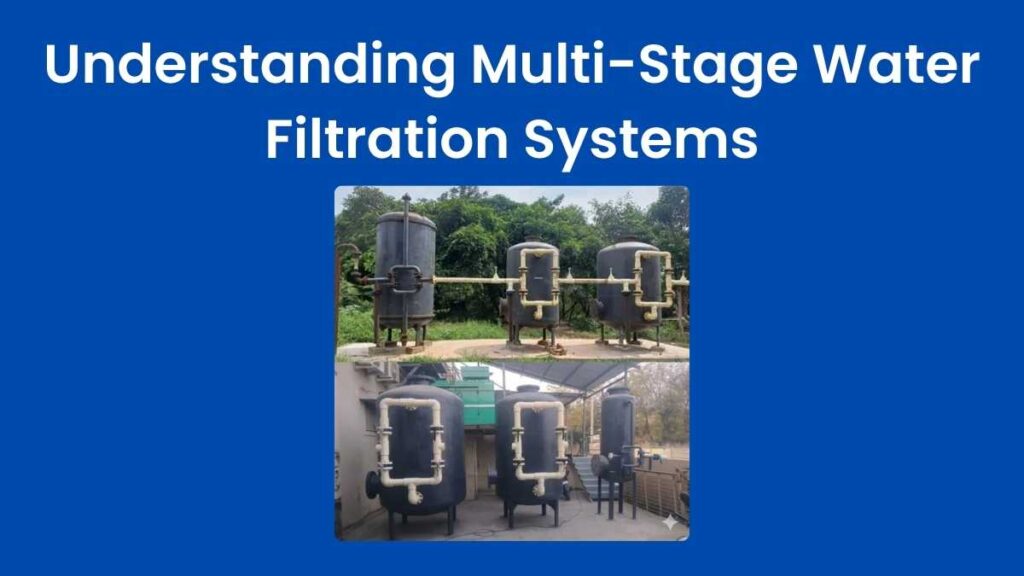
Introduction Access to clean and safe water is essential for homes, industries, hotels, and commercial establishments. However, raw water from borewells, municipal supply, or surface sources often contains multiple contaminants — including suspended solids, chemicals, bacteria, and dissolved salts. A single filtration method is rarely sufficient to remove all impurities effectively. This is why multi-stage water filtration systems are widely used across residential, commercial, and industrial applications. Each stage in a multi-stage filtration system plays a specific role in removing different types of contaminants. When engineered correctly, these systems ensure balanced water quality without excessive wastage or unnecessary chemical usage. Understanding how multi-stage water filtration works helps property owners and industries make informed decisions about water treatment solutions. Why Single-Stage Filtration is Not Enough Water contamination is complex. Different impurities require different removal techniques. For example: Relying on a single-stage system often leads to incomplete purification and inefficiency. Multi-stage filtration ensures comprehensive treatment by addressing contaminants sequentially. Stage 1: Sediment Removal (Pre-Filtration) The first stage of most water filtration systems focuses on removing suspended particles such as: Sediment filters act as protective barriers, preventing larger particles from entering downstream components. Why This Stage is Important Without proper sediment filtration, advanced purification components can fail prematurely. Stage 2: Chemical Filtration (Activated Carbon) After removing physical impurities, the next stage targets chemical contaminants. Activated carbon filters are highly effective in removing: Activated carbon works through adsorption, trapping impurities within its porous structure. Benefits of Activated Carbon Filtration ✔ Improves taste and odour✔ Reduces harmful organic compounds✔ Enhances overall water quality This stage is essential for both residential drinking water and industrial process water. Stage 3: Bacterial Elimination (UV Sterilisation) Water can contain harmful microorganisms that are invisible to the naked eye. UV sterilisation uses ultraviolet light to destroy bacteria, viruses, and pathogens without adding chemicals. Advantages of UV Treatment UV treatment is particularly important for borewell water and areas prone to microbial contamination. Stage 4: Final Purification (Reverse Osmosis – RO) Reverse Osmosis is one of the most advanced water purification technologies. RO membranes remove: This stage ensures high-quality drinking water, especially in areas with high salinity or brackish groundwater. Why RO Requires Pre-Treatment RO membranes are delicate. Without sediment and carbon pre-filtration, membranes can clog and fail quickly. A well-designed multi-stage system protects the RO unit and ensures optimal efficiency. Additional Treatment Stages (Optional) Depending on water quality, systems may include: Customisation ensures that treatment matches actual water conditions. Benefits of a Professionally Engineered Multi-Stage System A properly designed system offers: ✔ Balanced Water Quality Each stage works together to deliver safe and stable water. ✔ Reduced Wastage Proper pressure control and system sizing prevent excessive water rejection. ✔ Extended Equipment Lifespan Pre-treatment protects sensitive components like RO membranes. ✔ Energy Efficiency Optimised flow rates reduce pump load. ✔ Long-Term Cost Savings Reduced maintenance and repair costs. Applications of Multi-Stage Water Filtration Systems Multi-stage systems are used in: Residential Homes Ensuring safe drinking and bathing water. Apartment Complexes Providing centralised treatment for multiple units. Hotels & Resorts Maintaining water quality for guests and operations. Commercial Buildings Supplying safe water for offices and facilities. Industrial Units Supporting manufacturing processes and cooling systems. Each application requires specific configuration based on demand and water characteristics. Importance of Water Testing Before Installation Every water source is different. Professional water testing helps determine: Without proper testing, installing unnecessary components increases cost without improving performance. Engineering decisions must be data-driven. Maintenance: Key to Long-Term Performance Even the best-designed multi-stage system requires regular maintenance. Maintenance includes: Routine servicing ensures consistent water quality and prevents system failure. Environmental Benefits of Multi-Stage Filtration Professionally designed systems support sustainability by: Efficient filtration ensures minimal resource wastage. Signs Your Filtration System May Need Upgrade You may require system enhancement if: Periodic evaluation ensures continued performance. Why Professional Engineering Matters Improperly designed systems can cause: A professionally engineered multi-stage filtration system ensures optimal balance between performance, efficiency, and cost. Conclusion Multi-stage water filtration systems are essential for delivering safe, clean, and balanced water quality. Each stage plays a critical role: When combined properly, these stages ensure comprehensive treatment without excessive wastage. Investing in a professionally designed multi-stage water filtration system is a long-term solution for homes, industries, and hospitality properties seeking reliable and sustainable water quality. Clean water requires precision engineering — and multi-stage filtration delivers exactly that.

SBR Based Sewage Treatment Plants

Sustainable Water Management for Hotels & Resorts in Goa

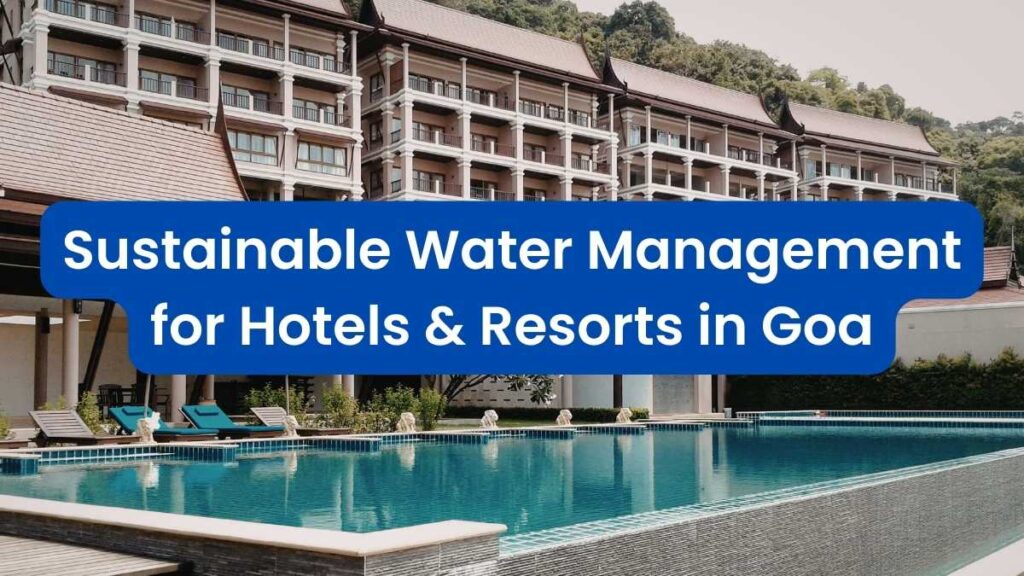
Introduction Goa’s hospitality industry thrives on pristine beaches, luxury villas, boutique resorts, and premium guest experiences. However, behind every successful hotel or resort lies a complex operational system — and water management is one of its most critical components. Hotels and resorts consume large volumes of water daily for: With increasing water scarcity, rising tanker costs, and stricter environmental regulations, sustainable water management has become essential for hospitality businesses in Goa. Integrated water treatment solutions not only reduce operational costs but also enhance eco-friendly branding and long-term profitability. Why Sustainable Water Management Matters in Goa Goa faces seasonal water stress, especially during peak tourist months. Many properties rely on: These sources are often inconsistent, costly, and environmentally unsustainable. Hotels that fail to implement efficient water systems may face: Sustainable water infrastructure is now a competitive advantage in the hospitality sector. Integrated Water Solutions for Hotels & Resorts A holistic approach to water management combines multiple technologies to ensure efficiency, reliability, and sustainability. 1️⃣ SBR Sewage Treatment Plants (STPs) One of the most important components of sustainable water management is wastewater treatment. Sequencing Batch Reactor (SBR) STPs treat sewage generated from guest rooms, kitchens, and other facilities. Benefits of SBR STPs for Hotels Water Reuse Applications Treated water can be reused for: This reduces freshwater dependency and tanker costs significantly. For large resorts, wastewater recycling can lower overall water consumption by a substantial margin. 2️⃣ Swimming Pool MEP Optimisation Pools are central attractions in Goa’s hospitality properties. However, poorly designed pool systems can lead to: Optimised Mechanical, Electrical & Plumbing (MEP) systems ensure: Energy-efficient pool systems reduce operational costs while maintaining crystal-clear water for guests. 3️⃣ Borewell Water Filtration Systems Many hotels rely on borewell water, which often contains: Untreated borewell water can damage plumbing, laundry systems, and guest amenities. A multi-stage borewell filtration system ensures: Professional water testing helps design customised filtration systems tailored to the property’s needs. 4️⃣ Atmospheric Water Generation (AWG) Atmospheric Water Generators produce drinking water directly from air humidity. For hotels in Goa, AWG technology offers: Guests increasingly appreciate eco-friendly initiatives. Providing water generated from renewable atmospheric sources strengthens sustainability credentials. Cost Reduction Through Integrated Water Management Sustainable water systems reduce: Over time, these savings significantly improve profitability. Instead of viewing water treatment as an expense, it should be considered an operational investment. Environmental Compliance & Brand Reputation Pollution control boards require proper wastewater treatment for hotels and resorts. Non-compliance can result in: Installing modern STPs and water treatment systems ensures regulatory compliance. Additionally, eco-conscious travellers prefer sustainable properties. Highlighting water recycling and conservation efforts enhances brand image. Enhancing Guest Satisfaction Guests expect: Water-related complaints can damage reviews and reputation. Efficient water systems ensure uninterrupted supply and superior guest experience. Supporting Green Building Certifications Hotels implementing sustainable water solutions may qualify for green building certifications and environmental recognition programs. Integrated systems demonstrate: These certifications improve market positioning. Long-Term Sustainability Strategy A sustainable water strategy for hotels should include: Continuous monitoring and upgrades ensure consistent performance. Importance of Professional Engineering & Maintenance Water management systems require: Improper installation can lead to inefficiencies and higher long-term costs. Working with experienced water treatment specialists ensures durability, compliance, and performance. Future of Hospitality Water Management in Goa As tourism continues to grow, sustainable infrastructure will define the success of hospitality businesses. Water-efficient hotels will: Integrated solutions such as SBR STPs, optimised pool MEP systems, borewell filtration, and AWG technology represent the future of water management in Goa. Conclusion Hotels and resorts in Goa consume substantial water daily. Without sustainable management systems, rising costs and environmental challenges can impact profitability and reputation. Integrated water solutions including: help reduce costs while promoting eco-friendly branding. Sustainable water management is no longer optional — it is essential for long-term hospitality success.

Borewell Water Filtration

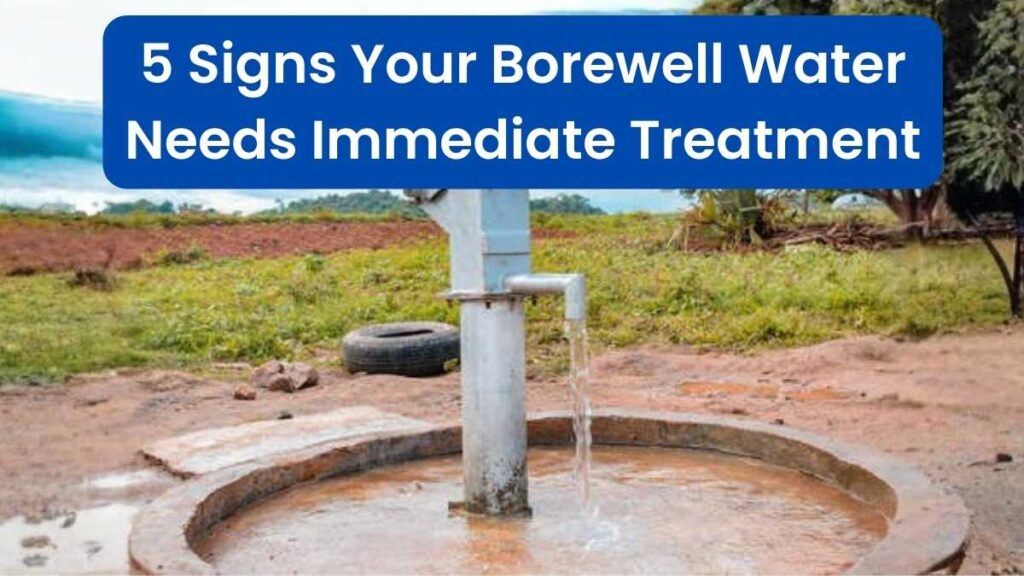
5 Signs Your Borewell Water Needs Immediate Treatment

Introduction Borewell water is a primary water source for many homes, residential complexes, hotels, and industries. While it may look clear and usable, borewell water often contains hidden impurities that can affect your health, plumbing systems, appliances, and overall water quality. Unlike municipal water, borewell water is directly drawn from underground aquifers. As groundwater passes through soil and rock layers, it dissolves minerals, metals, and other contaminants. Over time, these impurities can cause serious problems if left untreated. Recognising early warning signs is crucial. If you notice any of the following five signs, it may be time for immediate water testing and a professional filtration upgrade. 1️⃣ Yellow or Rusty Water One of the most common signs of borewell contamination is yellow, brown, or rusty-coloured water. What Causes It? High iron content in groundwater is typically responsible for this discolouration. Iron occurs naturally in many soil formations and dissolves into borewell water. Problems Caused by Iron in Water While iron is not always immediately harmful in small amounts, excessive iron can damage plumbing systems and affect water usability. The Solution Iron removal systems and media filtration units effectively remove excess iron and restore clear water quality. 2️⃣ Scaling on Taps and Fixtures White or chalky deposits on taps, showerheads, and bathroom fittings are a clear sign of hard water. What is Hard Water? Hard water contains high levels of calcium and magnesium. These minerals accumulate over time, forming scale deposits. Problems Caused by Hard Water Hard water significantly reduces the lifespan of household appliances and industrial equipment. The Solution Water softening systems and multi-stage filtration remove hardness, protecting plumbing infrastructure and improving efficiency. 3️⃣ Unpleasant Odour If your borewell water has a foul smell — such as a rotten egg odour — it may indicate contamination. Common Causes Odour issues often signal deeper water quality problems that require professional analysis. Risks of Ignoring Odour The Solution Activated carbon filtration and UV sterilisation effectively remove odours and eliminate bacteria without harmful chemicals. 4️⃣ Skin Irritation and Dryness If you or your family members experience skin dryness, itching, or irritation after bathing, your borewell water may be the cause. Why Does This Happen? Hard water and certain dissolved minerals disrupt the skin’s natural protective barrier. This can lead to: Children and elderly individuals are especially sensitive to water quality. The Solution Water softeners and balanced filtration systems improve bathing water quality, protecting skin and hair health. 5️⃣ Frequent Appliance Damage If washing machines, water heaters, geysers, or dishwashers require frequent repairs, untreated borewell water may be the underlying issue. How Water Quality Affects Appliances Over time, this reduces appliance efficiency and increases maintenance costs. The Solution Installing a professionally engineered multi-stage filtration system prevents mineral buildup and extends appliance lifespan. Why Professional Water Testing is Essential Borewell water quality varies significantly depending on: A laboratory water analysis determines: Without proper testing, installing the wrong filtration system can lead to inefficiency and unnecessary expenses. Multi-Stage Borewell Water Filtration: The Ideal Solution An effective borewell water treatment system typically includes: 1. Media Filtration Removes suspended solids, turbidity, and iron. 2. Activated Carbon Filtration Improves taste, removes odour, and eliminates organic impurities. 3. UV Sterilisation Destroys bacteria and pathogens without chemicals. 4. Reverse Osmosis (RO) Purification Removes dissolved salts and excess TDS where required. Together, these stages ensure safe, potable water for homes and industries. Benefits of Upgrading Your Borewell Filtration System ✔ Safe drinking water✔ Extended plumbing lifespan✔ Reduced maintenance costs✔ Improved appliance efficiency✔ Better skin and hair health✔ Enhanced water clarity Investing in proper filtration is more cost-effective than repeatedly repairing damage caused by untreated water. The Cost of Ignoring Warning Signs Many property owners delay water treatment until serious problems arise. However, ignoring early signs can result in: Preventive water treatment protects both health and infrastructure. Regular Maintenance Ensures Long-Term Performance Once a filtration system is installed, routine maintenance is essential. This includes: Regular servicing ensures consistent performance and water safety. Conclusion Borewell water may look clean, but hidden contaminants can create serious health and infrastructure issues. If you notice: It is time for professional water analysis and a filtration upgrade. A properly engineered multi-stage borewell water treatment system ensures safe, clean, and reliable water for residential and commercial use. Early detection and preventive treatment not only protect your family’s health but also save significant long-term costs. Clean water is not just a convenience — it is a necessity.

SBR Based Sewage Treatment Plants

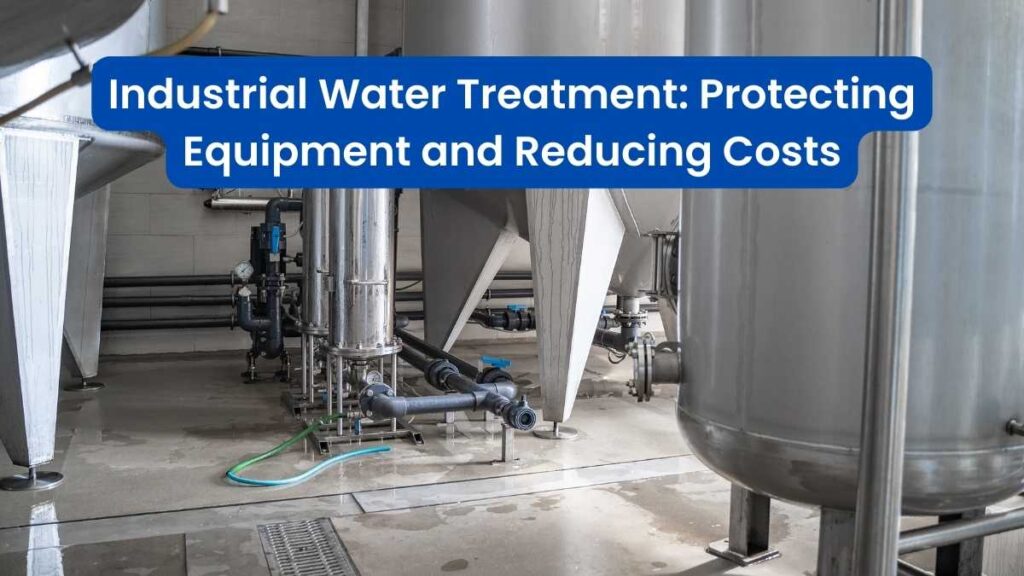
Industrial Water Treatment: Protecting Equipment and Reducing Costs

Introduction Water is one of the most critical resources in industrial operations. From cooling towers and boilers to manufacturing processes and cleaning systems, industries depend heavily on consistent and high-quality water supply. However, untreated water can silently damage expensive machinery, increase downtime, reduce production efficiency, and significantly raise maintenance costs. This is why industrial water treatment systems are not optional — they are essential for protecting equipment, ensuring regulatory compliance, and maintaining long-term profitability. A professionally designed industrial water treatment solution helps businesses prevent scaling, corrosion, and contamination while improving operational efficiency. The Hidden Risks of Untreated Industrial Water Many industries rely on borewell or municipal water without analysing its chemical composition. While the water may appear clean, it often contains dissolved minerals, salts, hardness, and microorganisms that can harm equipment. Let’s understand the major risks. 1. Scaling Scaling occurs when hard water containing calcium and magnesium deposits mineral layers inside pipes, boilers, and heat exchangers. Consequences of scaling include: Even a thin layer of scale can reduce heat efficiency drastically, leading to higher operational costs. 2. Corrosion Corrosion is caused by dissolved oxygen, acidic pH levels, and chemical imbalances in untreated water. Corrosion leads to: Corrosion is not only costly but can also create safety hazards in industrial environments. 3. Reduced Machinery Lifespan Continuous exposure to untreated water accelerates wear and tear on: Frequent repairs and replacements increase capital expenditure and disrupt operations. Why Industrial Water Treatment is Critical A comprehensive industrial water treatment system ensures optimal water quality tailored to specific industrial processes. Key Benefits Include: ✔ Equipment Efficiency Properly treated water improves heat transfer efficiency in boilers and cooling systems. This ensures machinery operates at optimal performance levels, reducing energy consumption. ✔ Reduced Downtime Unexpected equipment failure can halt production and cause major financial losses. Industrial water treatment prevents scaling and corrosion, reducing emergency breakdowns. ✔ Lower Maintenance Costs Less scaling and corrosion mean: Preventive water treatment is significantly more economical than reactive repairs. ✔ Regulatory Compliance Industries must comply with: Proper treatment ensures compliance, avoiding penalties and legal complications. Key Components of Industrial Water Treatment Systems Every industry has unique water requirements. A customised treatment solution may include: 1. Water Softening Systems Water softeners remove calcium and magnesium ions responsible for hardness. This prevents scale formation in boilers and heat exchangers. 2. Reverse Osmosis (RO) Systems Industrial RO plants remove: RO systems are essential where high purity water is required. 3. Chemical Dosing Systems Precise chemical dosing controls: Automated dosing ensures consistent water quality. 4. Filtration Systems Multi-stage filtration removes suspended solids and impurities before water enters industrial equipment. 5. Cooling Tower Water Treatment Cooling towers require specialised treatment to prevent biological growth, scaling, and corrosion. Custom-Designed Solutions for Long-Term Success No two industrial facilities are the same. Factors influencing water treatment design include: Professional water analysis and system design ensure optimal configuration. A one-size-fits-all approach often results in inefficiency and higher costs. Economic Impact of Proper Water Treatment Industrial water treatment should be viewed as an investment rather than an expense. Cost Savings Come From: Over time, the savings from preventive treatment far exceed installation costs. Sustainability & Environmental Responsibility Modern industries are increasingly adopting sustainable practices. Proper water treatment supports: Efficient water management strengthens corporate reputation and stakeholder confidence. Warning Signs Your Industrial Water Needs Treatment If your facility experiences: It may indicate inadequate water treatment. Early intervention prevents costly operational disruptions. Importance of Professional Installation & Maintenance Industrial water treatment systems require: Routine inspections ensure: Neglecting maintenance reduces system efficiency and increases long-term costs. Why Experience Matters in Industrial Water Treatment Industrial water systems involve complex engineering. Working with experienced water treatment professionals ensures: An experienced partner understands industry-specific challenges and delivers customised, reliable solutions. Conclusion Untreated industrial water can silently damage equipment, reduce efficiency, and increase operating costs. Scaling, corrosion, and contamination not only shorten machinery lifespan but also impact profitability. Industrial water treatment ensures: Custom-designed water treatment solutions are essential for long-term industrial success. By investing in professional water treatment systems, industries protect their infrastructure, optimise operations, and build a resilient foundation for growth.

SBR Based Sewage Treatment Plants

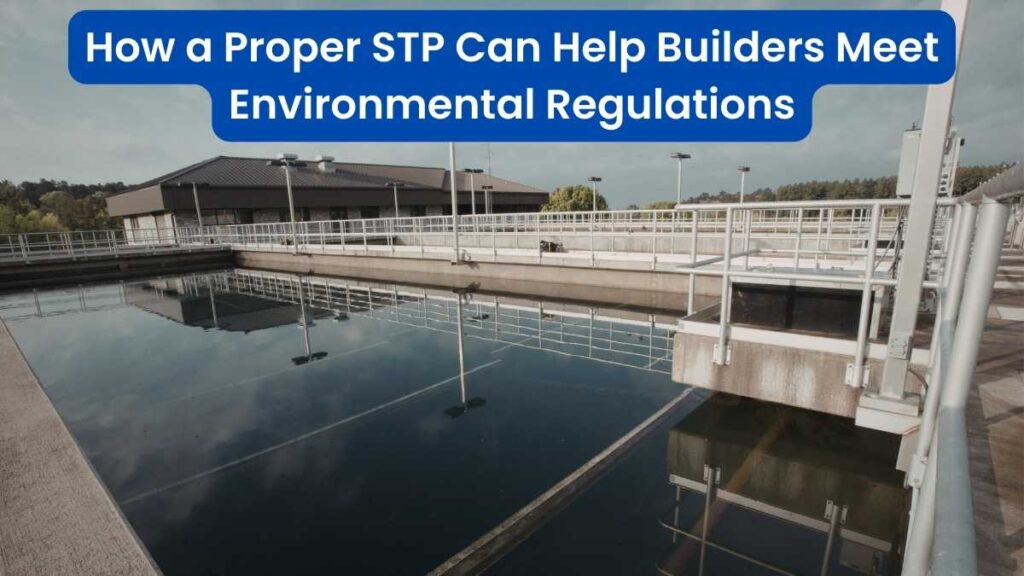
How a Proper STP Can Help Builders Meet Environmental Regulations

Introduction In today’s real estate and infrastructure landscape, environmental compliance is no longer a formality — it is a mandatory requirement. Builders and developers must meet strict pollution control norms before receiving approvals for residential complexes, commercial projects, hospitality developments, and industrial facilities. One of the most critical requirements is the installation of a properly designed and compliant Sewage Treatment Plant (STP). A well-engineered STP not only ensures adherence to environmental regulations but also protects groundwater, enables water reuse, improves approval timelines, and strengthens a builder’s brand credibility. For forward-thinking developers, installing a proper STP is not just about compliance — it is about sustainable and responsible construction. Why Environmental Compliance is Critical for Builders Regulatory authorities and Pollution Control Boards require projects above certain sizes to install on-site sewage treatment systems. The objective is to: Failure to comply can result in: As environmental regulations become stricter each year, integrating wastewater treatment into project planning from the initial design stage is essential. How a Proper STP Prevents Groundwater Contamination Untreated sewage contains: When discharged improperly, sewage can seep into soil and contaminate groundwater aquifers. This not only affects the project site but also impacts nearby communities and ecosystems. A professionally designed STP ensures: By preventing groundwater contamination, builders protect both the environment and public health. Enabling Water Reuse: Turning Waste into a Resource Water scarcity is becoming a serious challenge across India, especially in urban and coastal regions. A properly functioning STP allows treated wastewater to be reused for non-potable applications such as: Water reuse offers significant benefits: ✔ Reduced freshwater dependency✔ Lower borewell extraction✔ Reduced tanker costs✔ Long-term operational savings For large residential complexes and commercial developments, water recycling can reduce water procurement expenses substantially. Improving Project Approval Chances Environmental clearance and consent from Pollution Control Boards are often dependent on adequate wastewater management systems. Installing a compliant STP demonstrates: Authorities are more likely to approve projects that incorporate sustainable wastewater solutions from the planning stage. In many cases, improper or under-designed STPs lead to rejections, modifications, or additional compliance costs. A professionally engineered STP ensures smooth inspections and faster approval processes. Enhancing Brand Credibility & Market Value Today’s homebuyers, investors, and commercial tenants are increasingly environmentally conscious. Sustainable infrastructure is no longer a luxury — it is a selling point. Projects with advanced sewage treatment systems signal: Builders who prioritise proper wastewater management strengthen their brand image and attract eco-conscious buyers. In competitive markets like Goa, where tourism and real estate intersect, sustainability adds measurable value. The Role of SBR Technology in Modern STPs Among modern sewage treatment technologies, Sequencing Batch Reactor (SBR) systems are highly preferred for residential and commercial projects. SBR STPs offer: This makes them ideal for space-constrained developments and hospitality projects. Builders benefit from lower land requirements and simplified infrastructure. Long-Term Cost Advantages of a Proper STP While some developers view STPs as an expense, they are actually long-term cost-saving systems. Benefits include: Improperly designed STPs, on the other hand, lead to recurring breakdowns, foul odours, resident complaints, and high repair costs. Investing in quality engineering from the beginning prevents costly corrections later. Importance of Expert Design & Customisation Every project has unique wastewater characteristics based on: A one-size-fits-all STP design can lead to underperformance or overdesign. Professional water treatment engineers conduct: Customised STP design ensures optimal efficiency and regulatory adherence. Testing, Commissioning & Maintenance An STP’s performance does not depend solely on installation. Proper: are essential for long-term reliability. Regular monitoring ensures effluent quality remains within permissible limits. Ongoing technical support prevents sludge bulking, odour issues, and mechanical failures. Why Builders Need Experienced Water Treatment Partners With over 15+ years of expertise supporting leading builders across Goa, professional water treatment partners understand: Experience ensures smooth execution, compliance, and long-term performance. Conclusion Environmental regulations are becoming increasingly strict, and sustainable infrastructure is the future of construction. Installing a properly designed Sewage Treatment Plant helps builders: A well-engineered STP is not just a compliance requirement — it is a strategic investment in sustainability, efficiency, and reputation. For modern builders, responsible wastewater management is no longer optional. It is the foundation of future-ready development.

Atmospheric Water Generator

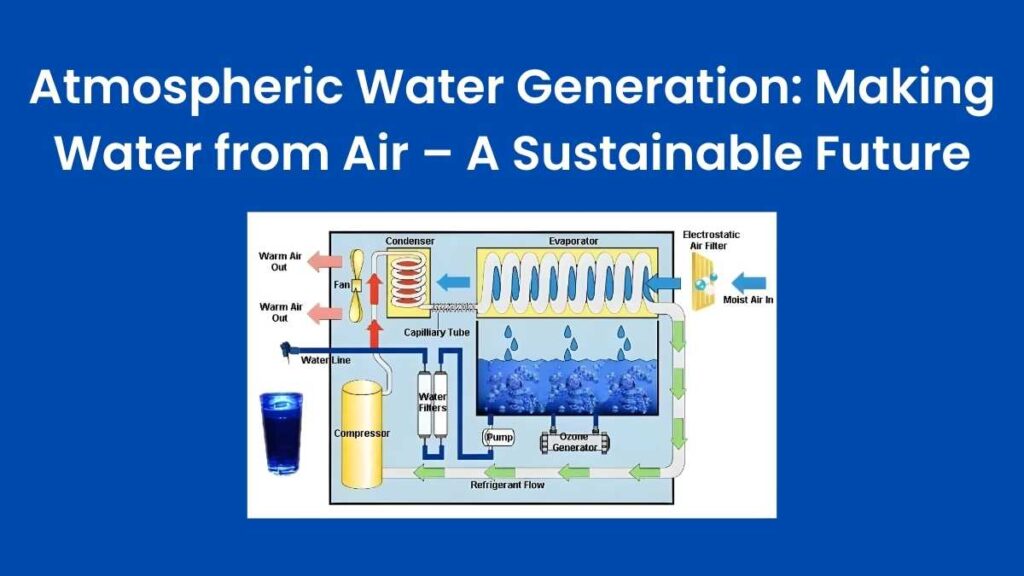
Atmospheric Water Generation: Making Water from Air – A Sustainable Future

Water scarcity is no longer a distant environmental issue — it is a growing global challenge affecting cities, industries, rural communities, and remote project sites. Rapid urbanisation, climate change, groundwater depletion, and contamination of traditional water sources are placing enormous pressure on existing infrastructure. In response to this crisis, innovative technologies are emerging to redefine how we source and consume water. One of the most promising advancements is Atmospheric Water Generation (AWG) — a technology that extracts humidity from the air and converts it into clean, safe drinking water. By turning air into water, AWG offers a sustainable, decentralised, and future-ready solution to global water scarcity. What is Atmospheric Water Generation (AWG)? Atmospheric Water Generators are advanced systems designed to produce potable water directly from atmospheric humidity. The atmosphere contains trillions of litres of water vapour at any given time, making it one of the largest renewable water reservoirs on Earth. AWG systems capture this humidity and transform it into purified drinking water through a controlled condensation and filtration process. Unlike traditional water sources such as borewells, rivers, or municipal supply, AWG does not rely on groundwater extraction or surface water availability. Instead, it taps into a continuously replenished natural resource — the air around us. How Atmospheric Water Generators Work Atmospheric Water Generation systems operate through a multi-stage process designed to ensure water safety and quality. 1. Air Intake The system draws in humid air from the surrounding environment using high-efficiency air filtration units. 2. Condensation Process The air is cooled to a specific temperature, causing moisture to condense into liquid water — similar to how dew forms naturally. 3. Multi-Stage Filtration The condensed water passes through advanced filtration systems that remove dust, airborne particles, and impurities. 4. UV Disinfection Ultraviolet (UV) treatment eliminates bacteria, viruses, and pathogens without the use of harmful chemicals. 5. Mineralisation Essential minerals are added to enhance taste and ensure balanced drinking water quality. 6. Storage & Dispensing The purified water is stored in hygienic tanks and made available for immediate consumption. The entire process is automated, ensuring consistent quality and performance. Why Atmospheric Water Generation is a Sustainable Solution 1. Zero Groundwater Dependency Groundwater depletion is one of the biggest environmental concerns worldwide. Excessive borewell extraction lowers water tables and causes long-term ecological damage. AWG systems operate independently of groundwater, preserving natural aquifers and reducing environmental stress. 2. Renewable Water Source Atmospheric humidity is continuously replenished through the natural water cycle. As long as air contains moisture, AWG systems can generate water. This makes AWG a truly renewable and sustainable water solution. 3. Reduced Environmental Impact Traditional water supply systems require: AWG eliminates these requirements, reducing carbon emissions and plastic waste. 4. Energy-Efficient Technology Modern Atmospheric Water Generators are engineered for optimal energy efficiency. Advanced compressors, heat exchangers, and control systems ensure minimal energy consumption per litre of water produced. Energy-efficient operation makes AWG economically viable for long-term use. 5. Remote Monitoring Capabilities Many modern AWG systems feature intelligent automation and remote monitoring capabilities. These systems allow: Remote monitoring ensures reliability, reduces downtime, and improves operational efficiency. Applications of Atmospheric Water Generation Atmospheric Water Generators are highly versatile and adaptable to various sectors. 1. Remote Sites Construction projects, mining sites, and infrastructure developments often operate in locations without reliable water supply. AWG systems provide self-sufficient water production, reducing dependency on water tankers. 2. Resorts and Hospitality Sector Eco-resorts and luxury hotels increasingly prioritise sustainability. AWG allows them to: Guests appreciate sustainable initiatives, enhancing overall experience and reputation. 3. Construction Projects Large construction sites require substantial water supply for labour camps and operational needs. AWG systems ensure consistent drinking water availability without logistical challenges. 4. Industrial Facilities Industries located in water-scarce areas benefit from decentralised water generation. AWG reduces reliance on municipal supply and tanker deliveries, ensuring operational continuity. 5. Educational Institutions & Healthcare Facilities Schools, colleges, and hospitals require safe drinking water daily. AWG provides a reliable and hygienic source. Economic Benefits of AWG Technology While initial installation involves capital investment, AWG offers long-term cost advantages: Over time, the savings offset installation costs, making AWG financially sustainable. Environmental & ESG Advantages Atmospheric Water Generation supports: For businesses seeking to enhance sustainability credentials, AWG provides measurable environmental impact reduction. Addressing Water Scarcity with Innovation Global water scarcity is driven by: Traditional solutions focus on extraction and distribution. AWG shifts the approach to decentralised water production using renewable atmospheric moisture. This transition represents a paradigm shift in water infrastructure planning. Is AWG Suitable Everywhere? Atmospheric Water Generation performs best in areas with moderate to high humidity levels. Professional site assessment considers: Proper system sizing ensures optimal efficiency and consistent output. The Future of Water is in the Air As governments, industries, and communities search for sustainable water solutions, Atmospheric Water Generation stands out as a forward-thinking alternative. It offers: Instead of relying solely on groundwater and surface water, AWG harnesses the invisible yet abundant water present in the atmosphere. Conclusion Atmospheric Water Generation is more than a technological innovation — it is a sustainable response to one of the world’s most pressing challenges. With zero groundwater dependency, renewable resource utilisation, energy-efficient operation, and remote monitoring capabilities, AWG represents the future of decentralised water production. For remote sites, resorts, construction projects, and industrial facilities, this technology ensures reliable access to clean drinking water while supporting environmental responsibility. As water scarcity intensifies globally, making water from air is no longer a futuristic concept — it is a practical and sustainable solution shaping the future of water management.

Borewell Water Filtration

Borewell Water Filtration: Ensuring Safe Water for Homes & Industries

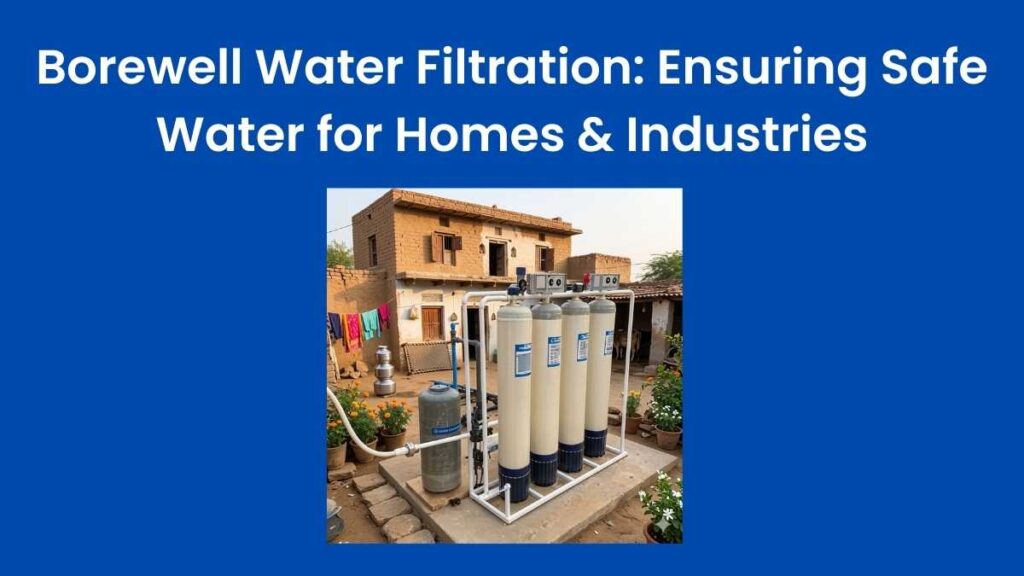
Borewell water is one of the most widely used water sources for homes, apartment complexes, hotels, and industries. In many regions, especially where municipal supply is limited or unreliable, borewells serve as the primary source of water. However, while borewell water may appear clear, it often contains contaminants that can affect health, plumbing systems, and industrial operations. Without proper treatment, borewell water can lead to scaling, corrosion, unpleasant odours, and even serious health risks. This is why Borewell Water Filtration Systems are essential for ensuring safe, potable water for residential and commercial use. Common Contaminants Found in Borewell Water Groundwater naturally dissolves minerals and contaminants as it passes through soil and rock layers. As a result, borewell water frequently contains: 1. Iron Excess iron causes: Iron contamination is one of the most common issues in borewell water. 2. Hardness (Calcium & Magnesium) Hard water leads to: Over time, hardness significantly reduces the lifespan of plumbing systems and equipment. 3. Bacteria & Microorganisms Groundwater contamination can introduce: These microorganisms pose serious health risks if water is consumed without proper disinfection. 4. Dissolved Salts & TDS (Total Dissolved Solids) High TDS levels affect: In industries, untreated high-TDS water can damage machinery and increase operational costs. Why Borewell Water Treatment is Essential Using untreated borewell water can result in: A professionally designed multi-stage borewell water filtration system ensures that water is safe, clear, and suitable for consumption and industrial use. How Multi-Stage Borewell Water Filtration Works Effective water treatment requires a combination of filtration technologies. A comprehensive borewell water treatment system typically includes the following stages: 1. Media Filtration Media filters remove suspended particles such as: Specialised media can also remove iron and manganese from groundwater. This first stage protects downstream equipment and improves water clarity. 2. Activated Carbon Filtration Activated carbon filters help remove: This stage improves taste and removes unpleasant smells, making water more suitable for domestic and commercial use. 3. UV Sterilisation UV sterilisation is a highly effective disinfection method. It: UV treatment ensures microbiologically safe drinking water without altering taste or mineral balance. 4. Reverse Osmosis (RO) Purification Reverse Osmosis systems remove: RO purification is especially important for areas with high salinity or brackish groundwater. Together, these stages form a complete water purification system capable of delivering safe and potable water. Benefits of Borewell Water Filtration for Homes For residential properties, installing a borewell water filtration system ensures: Safe Drinking Water Removes harmful contaminants and pathogens. Improved Appliance Lifespan Reduces scaling in geysers, washing machines, and dishwashers. Better Skin & Hair Health Softened and purified water prevents dryness and irritation. Clean Fixtures & Tiles Eliminates iron stains and mineral deposits. Cost Savings Prevents frequent plumbing repairs and appliance replacements. Importance of Borewell Water Treatment for Industries Industrial facilities rely heavily on water for processes such as: Untreated borewell water can cause: A customised industrial water filtration system ensures: For industries, water treatment is not just about safety — it directly impacts profitability. Customised Borewell Water Treatment Solutions Every borewell has unique water characteristics. Before designing a filtration system, professional water testing is essential to determine: Based on water analysis, a customised multi-stage filtration system is designed to address specific issues. This ensures optimal efficiency and avoids over-treatment or unnecessary components. Regular Maintenance: Ensuring Long-Term Performance Installing a filtration system is only the first step. Regular maintenance is critical for consistent performance. Maintenance includes: Scheduled maintenance ensures: Neglecting maintenance can reduce filtration efficiency and increase operational costs. Signs Your Borewell Water Needs Treatment If you notice any of the following, your water likely requires filtration: Early intervention prevents long-term damage. Environmental Benefits of Borewell Water Filtration Water treatment supports sustainability by: Proper treatment allows safe water reuse for gardening, flushing, and non-potable applications. Choosing the Right Borewell Water Filtration System When selecting a system, consider: Professional installation ensures proper sizing, correct pressure management, and leak-proof connections. Conclusion: Safe Water is a Necessity, Not a Luxury Borewell water is a valuable resource — but without proper filtration, it can create serious health and operational challenges. A multi-stage borewell water filtration system combining: ensures safe, potable water for both residential and commercial use. With professional design and regular maintenance, borewell water treatment becomes a long-term investment in health, safety, and cost efficiency. Clean water protects families, preserves infrastructure, and supports industrial productivity. When it comes to water quality, prevention is always better than repair — and the right filtration system makes all the difference.

Swimming Pool MEP Works

Complete Guide to Swimming Pool MEP Works for Hotels & Villas

A swimming pool is often the centrepiece of a hotel, resort, or luxury villa. It enhances property value, attracts guests, and creates a premium lifestyle experience. However, behind every visually stunning pool lies a complex engineering system that ensures water clarity, safety, efficiency, and durability. This is where Swimming Pool MEP (Mechanical, Electrical & Plumbing) Works play a critical role. Proper MEP planning is the foundation of a high-performing pool system. Without it, even the most beautifully designed pool can suffer from cloudy water, high electricity bills, equipment failures, and constant maintenance issues. This complete guide explains everything hotels and villa owners need to know about professional Swimming Pool MEP works. What is Swimming Pool MEP? MEP stands for Mechanical, Electrical, and Plumbing systems. In the context of swimming pools, it refers to the engineering design, installation, and integration of all systems required to operate the pool efficiently and safely. A complete swimming pool MEP solution includes: These systems work together to ensure optimal water circulation, filtration, disinfection, and energy efficiency. Why MEP Planning is Critical for Hotels & Villas Hotels and luxury villas have higher usage patterns compared to private residential pools. Guests expect clean, safe, and crystal-clear water at all times. Improper MEP planning can lead to: On the other hand, professionally engineered MEP systems deliver: ✔ Crystal-clear water✔ Reduced energy consumption✔ Long equipment lifespan✔ Hassle-free maintenance✔ Enhanced guest experience For hospitality properties in Goa and other premium destinations, a well-designed pool system significantly improves guest satisfaction and brand reputation. Mechanical Systems: The Heart of Pool Performance Mechanical systems are responsible for maintaining water movement and cleanliness. 1. Filtration and Circulation Systems Water must continuously circulate through filtration units to remove dirt, debris, and contaminants. Properly sized pumps and filters ensure: 2. Sand Filtration Systems Sand filters are widely used in hotels and villas due to their reliability and cost-effectiveness. They: Energy-efficient pumps combined with sand filters ensure optimal performance with reduced electricity consumption. 3. Jacuzzi & Hydrotherapy Systems Luxury villas and resorts often include jacuzzi or hydrotherapy pools. These systems require: Proper engineering ensures comfort, safety, and therapeutic effectiveness. Electrical Systems: Safety and Automation Electrical components in swimming pools must meet strict safety standards. Underwater LED Lighting Modern LED pool lighting enhances aesthetics while consuming less energy. Waterproof fittings and proper earthing ensure safety. Pool Control Panels Control panels manage: Advanced automation systems allow scheduling and remote monitoring, reducing manual intervention. Safety Isolators & Earthing Systems Electrical safety is critical in wet environments. Proper isolators, grounding, and circuit protection prevent hazards and ensure compliance with safety regulations. Efficient electrical integration helps reduce operating costs and improve long-term reliability. Plumbing Systems: Precision and Leak Prevention Pool plumbing is more than just pipes — it requires hydraulic engineering expertise. Hydraulic Balancing Proper pipe sizing and layout ensure balanced water flow throughout the pool. Poor hydraulic design can cause: Inlet, Outlet & Overflow Systems Well-designed inlet and overflow systems maintain consistent water levels and prevent contamination. Chemical Dosing Lines Automatic dosing systems regulate chlorine and pH levels, ensuring safe and hygienic water conditions. Corrosion-Resistant Materials High-quality PVC and corrosion-resistant materials prevent leaks and extend system lifespan. Leak-proof plumbing installation reduces maintenance costs and protects structural integrity. Pipeless Filtration Systems: Space-Saving Innovation For plunge pools and compact villa pools, pipeless filtration systems offer a modern alternative. Key advantages include: These systems are ideal for boutique villas, rooftop pools, and space-constrained projects. Plant Room Design: The Operational Backbone The plant room houses all mechanical and electrical equipment. A well-designed plant room ensures: Customised layouts are essential based on: Efficient plant room planning improves operational reliability and reduces downtime. Energy Efficiency & Cost Optimisation For hotels and resorts, energy costs are a major operational expense. Proper MEP engineering reduces: Energy-efficient pumps, optimised circulation rates, and automation systems significantly lower long-term costs. Sustainable pool systems also contribute to green building certifications and eco-friendly branding. Long-Term Benefits of Professional Swimming Pool MEP Investing in expert MEP works ensures: 1. Crystal-Clear Water Consistent filtration and balanced circulation prevent algae growth and turbidity. 2. Reduced Energy Consumption Optimised system design lowers electricity bills. 3. Extended Equipment Life Proper sizing and installation reduce stress on pumps and filters. 4. Hassle-Free Maintenance Simplified systems make routine maintenance easier and less costly. 5. Enhanced Property Value Luxury villas and hotels with professionally engineered pools command higher market value. Why Hotels & Villas in Goa Need Expert MEP Solutions In hospitality-driven markets like Goa, pools are not just amenities — they are selling points. Guests expect: Efficient Swimming Pool MEP works ensure that properties meet these expectations while maintaining cost control. Conclusion: Engineering Behind Every Perfect Pool A swimming pool is an engineering system first and a design feature second. Without proper Mechanical, Electrical, and Plumbing integration, even the most visually stunning pool will fail to deliver performance. For hotels and luxury villas, professional Swimming Pool MEP works ensure: When engineered correctly, a pool becomes a sustainable, energy-efficient, and high-performing asset — not a maintenance burden. Behind every crystal-clear pool is precise MEP planning. And that is what transforms water into a luxury experience.

SBR Based Sewage Treatment Plants

Why SBR Sewage Treatment Plants Are the Future of Wastewater Management

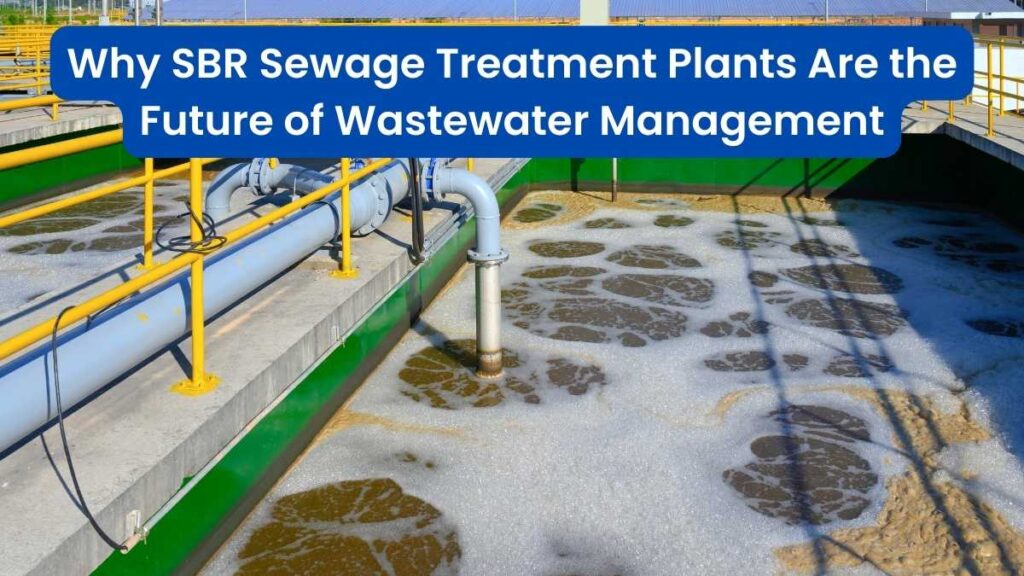
With increasing environmental regulations, rapid urbanisation, and growing water scarcity, effective wastewater management is no longer optional — it is a critical necessity. Residential complexes, hotels, commercial buildings, and industrial facilities are now required to treat sewage responsibly before discharge or reuse. Traditional sewage treatment methods, although widely used in the past, often require large land areas, multiple tanks, complex piping systems, and high operational costs. Today, modern infrastructure demands compact, efficient, and environmentally sustainable solutions. This is where Sequencing Batch Reactor (SBR) Sewage Treatment Plants are redefining wastewater management. SBR technology has emerged as one of the most advanced, reliable, and cost-effective wastewater treatment systems available — making it the future of decentralised sewage treatment. Understanding SBR Technology Sequencing Batch Reactor (SBR) is an advanced biological wastewater treatment process that operates in time-sequenced cycles within a single reactor tank. Unlike conventional continuous-flow systems, which require separate tanks for primary clarification, aeration, and secondary settling, SBR integrates all these processes into one unit. The system operates in four controlled stages: 1. Fill Raw sewage enters the reactor tank. 2. Aeration Oxygen is supplied to promote biological oxidation, breaking down organic matter and removing nutrients such as nitrogen and phosphorus. 3. Settle The aeration stops, allowing suspended solids to settle naturally at the bottom of the tank. 4. Decant Clear treated water is carefully removed from the top, leaving settled sludge behind for the next cycle. This time-based treatment cycle ensures efficient removal of contaminants while simplifying infrastructure requirements. Why SBR Sewage Treatment Plants Are Superior to Conventional Systems Traditional sewage treatment plants typically involve: These systems require higher capital investment and ongoing operational costs. In contrast, SBR technology offers significant advantages: 1. Higher Treatment Efficiency SBR systems provide excellent Biological Oxygen Demand (BOD) and Chemical Oxygen Demand (COD) removal. The cyclic aeration process also enhances nutrient removal through Enhanced Biological Nutrient Removal (EBNR), ensuring treated water meets pollution control standards. 2. Compact Footprint Since all treatment stages occur in a single reactor, SBR requires significantly less land space. This makes it ideal for: 3. Reduced Operational Cost With fewer tanks, pumps, and mechanical components, SBR systems reduce: The simplified design translates into long-term cost savings. 4. Better Compliance with Environmental Regulations Environmental norms are becoming increasingly stringent. SBR plants consistently produce high-quality effluent that complies with pollution control board standards, making them future-ready solutions for developers and industries. Intelligent Automation for Reliable Performance Modern SBR systems are equipped with PLC (Programmable Logic Controller) automation, ensuring precise control of treatment cycles. Automation provides: This makes SBR particularly suitable for facilities with fluctuating wastewater loads, such as hotels and commercial complexes. Sustainable and Chemical-Free Operation One of the biggest advantages of SBR technology is its ability to achieve nutrient removal without heavy chemical dosing. This reduces operational costs and minimises environmental impact. SBR systems: In an era focused on sustainability and ESG compliance, SBR aligns perfectly with green building practices. Water Reuse: Turning Waste into a Resource Treated water from SBR Sewage Treatment Plants can be reused for: This reduces freshwater consumption and lowers dependency on borewells and municipal supply. Water recycling not only conserves resources but also significantly reduces operating expenses for large facilities. Ideal Applications of SBR Sewage Treatment Plants SBR technology is versatile and adaptable, making it suitable for various sectors: Hotels & Resorts Handle fluctuating wastewater loads efficiently while enabling water reuse for landscaping. Housing Societies & Residential Complexes Compact, decentralised systems ideal for urban developments. Commercial Complexes & IT Parks Reliable on-site treatment ensuring environmental compliance. Industrial Units Stable performance even under varying effluent loads. Its modular construction allows scalability, making it adaptable for future expansion. Easy Retrofitting & Upgrade Capability SBR systems can also be integrated into existing sewage treatment plants. Older conventional systems can be upgraded with SBR technology without complete replacement, reducing infrastructure costs. This makes it a practical solution for facilities seeking performance improvement without major structural modifications. Long-Term Reliability and Durability SBR plants are engineered with robust materials and high-quality components. Their simplified design ensures: When designed and installed correctly, SBR systems deliver consistent performance for decades. Why Choose Expert Engineering for SBR Installation The efficiency of an SBR Sewage Treatment Plant depends on proper design, installation, and commissioning. Customisation based on: is critical to achieving optimal performance. Professional execution ensures: The Future of Wastewater Management As water scarcity intensifies and regulatory frameworks tighten, infrastructure must adapt to smarter and more sustainable technologies. SBR Sewage Treatment Plants represent the future because they combine: For developers, industries, hotels, and residential communities, investing in SBR technology is not just about meeting regulations — it is about building responsible and sustainable infrastructure. Wastewater is no longer just waste. With advanced SBR technology, it becomes a recoverable and reusable resource. The future of wastewater management is intelligent, compact, automated, and sustainable — and SBR is leading the way.

Scroll to Top