SBR Based Sewage Treatment Plants

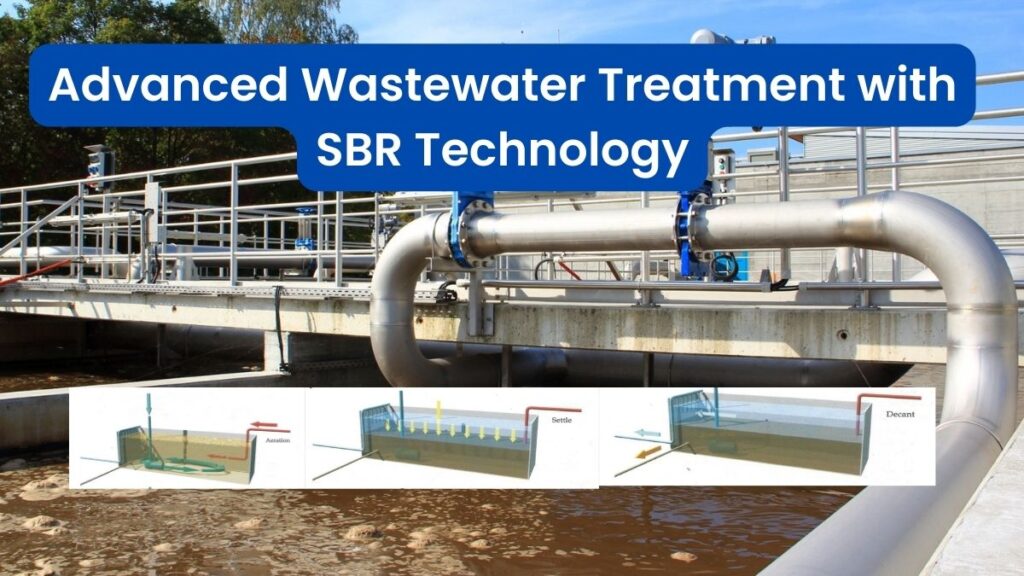
Advanced Wastewater Treatment with SBR Technology

As urbanisation accelerates and environmental regulations become stricter, wastewater treatment is no longer optional — it is mandatory. Builders, industries, hotels, and residential complexes are required to implement efficient on-site treatment systems that comply with pollution control norms while remaining cost-effective. Among modern wastewater technologies, Sequencing Batch Reactor (SBR) stands out as one of the most advanced and reliable systems available today. What is SBR Technology? Sequencing Batch Reactor (SBR) is an advanced wastewater treatment process that operates in timed cycles within a single tank. Unlike conventional continuous-flow systems that require multiple tanks for primary clarification, aeration, and secondary clarification, SBR integrates all biological treatment processes into one reactor. The system follows four main stages: 1. Fill Wastewater enters the reactor tank. 2. Aeration Oxygen is supplied to promote biological oxidation, breaking down organic matter and removing nutrients. 3. Settle Solids settle naturally, separating treated water from sludge. 4. Decant Clear treated water is removed from the top without disturbing settled sludge. This cyclic operation ensures highly efficient treatment with minimal infrastructure. Why SBR is Superior to Conventional Systems Traditional sewage treatment plants require: SBR eliminates these components by combining them into a single-tank process. Key Advantages: ✔ Reduced land requirement✔ Lower capital investment✔ Reduced operational cost✔ No recycle return streams✔ Simplified maintenance✔ Better sludge settleability This makes SBR ideal for urban developments and space-constrained projects. Enhanced Biological Nutrient Removal (EBNR) SBR systems incorporate Enhanced Biological Nutrient Removal (EBNR), which ensures: The result is high-quality treated water suitable for reuse. Intelligent PLC Automation Modern SBR systems are equipped with PLC-based automation. This allows: Automation reduces manpower dependency and ensures consistent effluent output. Tertiary Filtration for Superior Water Quality To enhance treated water quality further, tertiary systems can be integrated: UV Disinfection Pressure Sand Filter (PSF) Removes suspended solids and turbidity. Activated Carbon Filter (ACF) Eliminates colour, odour, and trace organics. These polishing units ensure compliance with pollution control board standards. Applications of SBR Technology SBR Sewage Treatment Plants are ideal for: Reuse Applications of Treated Water SBR-treated water can be reused for: This reduces freshwater consumption and lowers operational expenses. The Future of Wastewater Management With compact footprint, chemical-free operation, modular scalability, and automation, SBR represents the future of decentralised wastewater treatment. For modern infrastructure projects, SBR is not just a compliance requirement — it is a long-term investment in sustainability.
SBR Based Sewage Treatment Plants

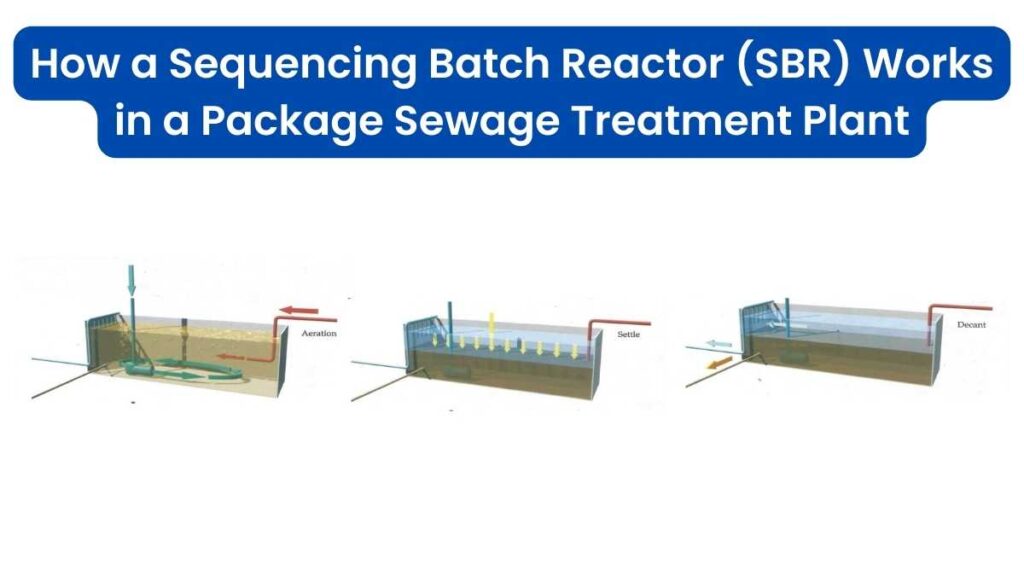
How a Sequencing Batch Reactor (SBR) Works in a Package Sewage Treatment Plant

A Sequencing Batch Reactor (SBR) is an intelligent, space-saving, and highly effective biological treatment system used for both domestic and industrial wastewater. Rather than relying on multiple tanks, an SBR completes every treatment stage within a single tank — operating in a timed sequence. This makes it especially suitable for package sewage treatment plants and locations where space is limited. 1. What Is an SBR? A Sequencing Batch Reactor is a fill-and-draw activated sludge system. In simple terms, wastewater enters the tank, undergoes biological treatment, the clarified water is discharged, and the cycle repeats. Unlike traditional continuous-flow systems, an SBR operates in controlled cycles. This time-based approach delivers high-quality effluent while maintaining relatively low sludge production. 2. The Five Treatment Phases of an SBR 1. Fill Wastewater flows into the reactor.During this stage, air may be introduced to activate and stimulate bacterial activity. 2. Aerate This is the core treatment phase.Fine bubble diffusers or mechanical aerators provide oxygen to support microorganisms. The bacteria break down: By the end of this stage, polluted water becomes biologically stabilised. 3. Settle Aeration is stopped.The contents of the tank become still, allowing solids (activated sludge) to settle at the bottom — similar to a snow globe settling after being shaken. Clear treated water rises to the top. 4. Decant A floating decanter or pump carefully removes the clarified supernatant without disturbing the settled sludge layer. 5. Idle / Sludge Wasting Excess sludge is withdrawn from the base of the tank.This maintains system balance and prepares the reactor for the next fill cycle. 3. Why SBRs Are Preferred in Package Plants SBR systems are widely adopted in compact treatment solutions because: 4. Common Applications of SBR Technology SBR systems are well suited for: Wherever dependable, high-quality sewage treatment is required in a compact format, SBR technology is an excellent choice. 5. Summary A Sequencing Batch Reactor treats wastewater through a straightforward five-stage cycle — fill, aerate, settle, decant, and idle — all within one tank. It produces clear, safe, and reusable water while maintaining a compact footprint and a high level of automation. As a result, SBR remains one of the most efficient and flexible technologies available for package sewage treatment plants. Source – hwt.co.za

SBR Based Sewage Treatment Plants

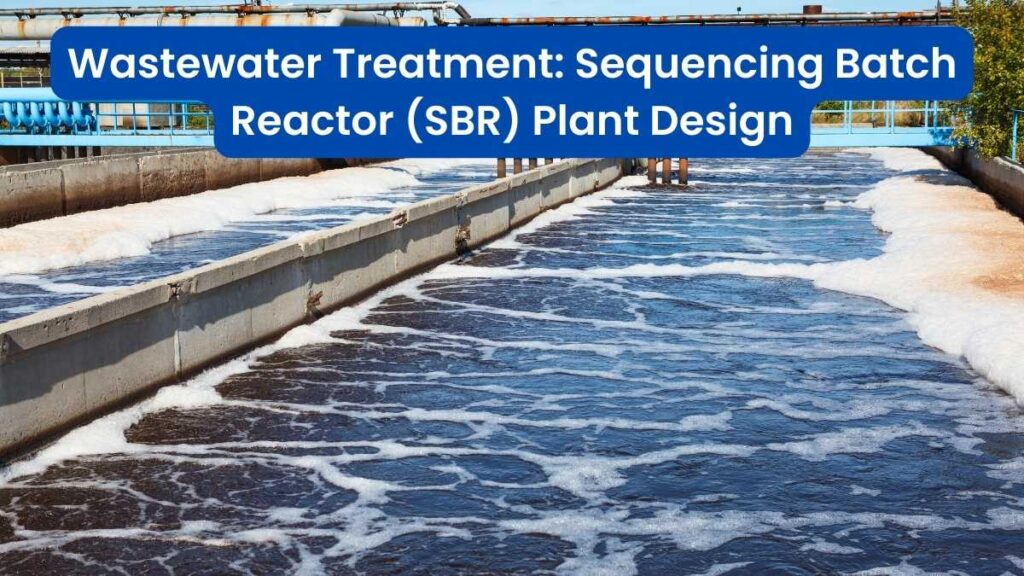
Wastewater Treatment: Sequencing Batch Reactor (SBR) Plant Design

One widely used variation of the activated sludge process is the Sequencing Batch Reactor (SBR). In this blog, we explain how the SBR wastewater treatment process works and examine both the advantages and limitations of an SBR system. There are several types of wastewater treatment plant designs. Activated sludge systems are commonly used because they are capable of treating wastewater within a relatively short timeframe. Among the different activated sludge configurations, the Sequencing Batch Reactor (SBR) is one of the most popular options. The basic design of an SBR wastewater treatment system consists of a single tank that performs both biological treatment and clarification. The treatment cycle includes the following steps: This four-stage cycle can be repeated multiple times each day. During the react phase, aeration may be switched on and off to promote nitrification and denitrification for effective nitrogen removal. Now that we understand the working principle of an SBR wastewater system, let’s review its advantages. Advantages of SBR Wastewater Systems SBR systems typically require less space and piping compared to traditional setups that use separate aeration tanks and clarifiers. Another key benefit is their ability to create both aerobic and anoxic conditions within the same tank. This enables processes such as organic carbon removal, biological phosphorus removal, nitrification, and denitrification to occur in a single reactor. SBR systems can also manage influent containing suspended solids and, in many cases, operate without the need for a primary clarifier before the SBR tank. However, despite these benefits, SBR systems also present certain challenges that must be carefully considered. Disadvantages of SBR Wastewater Systems May Require Two Tanks Since SBR systems operate in batch mode, wastewater must be stored while the reactor is not in the filling stage. This requires either an equalisation/holding tank or at least two SBR tanks so that one unit can fill while the other is in a different phase. Additionally, cycle durations may need to be shortened during periods of high flow or extended during times of heavy loading. Operational Control and Manual Adjustments The primary control method in many SBR systems involves adjusting the timing of each operational stage, including aeration on/off cycles. This requires operators to closely monitor biomass conditions and effluent quality. Such manual oversight can be time-intensive and may increase the risk of human error. Challenges in Maintaining Biomass Suspension During the fill phase, adequate mixing may not always be achieved to properly suspend the biomass. Aeration is typically turned off during this stage, creating anoxic conditions. Under these conditions, biomass can ferment organic matter, producing volatile fatty acids, sulphide, and ammonia. While volatile fatty acids are beneficial for phosphate removal and denitrification, maintaining the correct balance between aerobic and anoxic conditions can be challenging. Achieving optimal removal of organic matter (COD), nitrogen, and phosphorus requires careful control. Anoxic conditions can also be created by switching off aeration during the react stage, but balancing treatment efficiency remains a technical challenge. Settling Problems SBR systems may encounter issues related to filamentous bacteria and poor sludge settling. If biomass does not settle effectively, it becomes difficult to decant sufficient treated water while maintaining the desired cycle time and influent flow rate. Filament growth may be encouraged by low dissolved oxygen levels during filling or aeration-off periods, nutrient deficiencies, and high concentrations of solids or fats, oils, and grease (FOG), especially in systems without a primary clarifier. Conclusion If you are considering an SBR wastewater treatment plant design, it is essential to consult an experienced wastewater treatment professional. Proper system design and operational guidance are crucial to ensure efficient performance and to address any challenges that may arise. Monera Technologies provides specialised technical support to identify and resolve wastewater treatment issues. Contact us today for expert assistance with your SBR wastewater system. Source – www.moneratec.com

SBR Based Sewage Treatment Plants

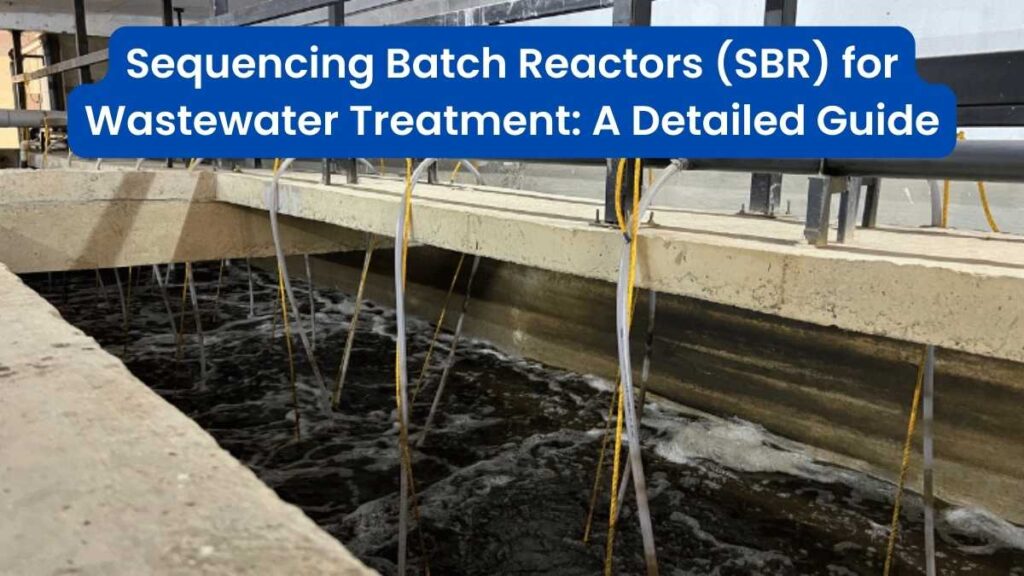
Sequencing Batch Reactors (SBR) for Wastewater Treatment: A Detailed Guide

Introduction With increasing concerns about sewage treatment plant performance and environmental pollution, Sequencing Batch Reactors (SBR) have become an essential wastewater treatment technology. SBR is a variation of the activated sludge process that treats wastewater biologically through a time-based sequence of operations within a single reactor tank. This article explores the origin, operational mechanism, present-day applications, benefits, limitations, and performance enhancement methods of SBR systems. If you require professional assistance in implementing or optimising SBR technology for your facility, feel free to contact us for further information. Origin and Development of SBR The idea of batch reactor treatment dates back to the early 1900s, when activated sludge processes were initially introduced. However, modern SBR systems became widely recognised during the 1950s and 1960s, when advancements in automation made sequential control feasible. During the 1970s, research supported by the Environmental Protection Agency (EPA) in the United States accelerated the adoption of SBR systems. This led to broader implementation in both municipal and industrial wastewater treatment plants. What is a Sequencing Batch Reactor (SBR)? A Sequencing Batch Reactor (SBR) is a fill-and-draw activated sludge system that treats wastewater in controlled batches. Unlike traditional continuous-flow systems, SBR carries out all treatment stages within the same tank using timed cycles. This design removes the need for separate tanks for aeration, settling, and clarification. Main Components of an SBR System Working Principle: The Five Operational Phases SBR systems function in repeated cycles, generally comprising five stages: 1. Fill Wastewater enters the reactor tank.Mixing ensures even distribution of the organic load.Aeration may be provided depending on treatment goals. 2. React Aeration promotes microbial activity.Microorganisms degrade organic pollutants, reducing BOD, nitrogen, and phosphorus levels. 3. Settle Aeration is stopped to allow sludge to settle.Clear treated effluent forms above the settled solids. 4. Decant The clarified effluent is withdrawn through the decanter, leaving sludge behind. 5. Idle The system remains inactive until the next cycle begins.Excess sludge may be removed during this stage for disposal or additional treatment. Typical Duration of an SBR Cycle Cycle duration varies depending on wastewater characteristics, treatment objectives, and operational conditions. Generally, one complete cycle lasts between 4 to 8 hours, distributed as follows: Most systems operate 3 to 6 cycles per day, depending on influent flow and treatment requirements. Critical Factors to Evaluate Before Finalising Cycle Time To ensure compliance and efficient performance, the following parameters must be assessed: Influent Characteristics Effluent Discharge Standards Stricter discharge limits for BOD, COD, TSS, nitrogen, and phosphorus may require longer aeration and settling periods. Sludge and Microbial Characteristics Treatment Objectives Advanced nutrient removal requires carefully designed aerobic, anoxic, and anaerobic phases. Hydraulic and Organic Load Fluctuations Variable influent flow demands dynamic control strategies and possible cycle adjustments. Aeration and Energy Considerations Optimising dissolved oxygen (DO) levels helps minimise energy consumption without compromising efficiency. Current Applications of SBR Technology SBR systems are widely implemented in both municipal and industrial wastewater treatment plants. They are particularly suitable for: Advantages of SBR Systems Limitations of SBR Systems Methods to Improve SBR Performance 1. Optimise Cycle Timing Adjust phase durations according to influent characteristics and load variations. 2. Implement Real-Time Monitoring Use sensors and SCADA systems to track DO, pH, and nutrient concentrations. 3. Enhance Aeration Systems Install energy-efficient blowers and fine-bubble diffusers for better oxygen transfer. 4. Maintain Proper Sludge Control Regular sludge removal prevents bulking and stabilises treatment performance. 5. Apply Advanced Bioculture Solutions Specialised microbial formulations can improve degradation efficiency and nutrient removal. 6. Upgrade Decanting Systems Automated decanters reduce sludge carryover and improve effluent clarity. Conclusion Sequencing Batch Reactors (SBR) offer a reliable and adaptable wastewater treatment solution. Their compact design and ability to treat diverse effluents make them suitable for both municipal and industrial applications. However, achieving optimal performance requires careful cycle management, efficient aeration, proper sludge handling, and advanced monitoring systems. With modern automation and biotechnological improvements, SBR technology continues to evolve as a sustainable and efficient wastewater treatment option. If you are seeking advanced wastewater treatment solutions, including SBR systems, contact us today to discuss the most suitable solution for your facility. Source – teamonebiotech.com

Scroll to Top